Barcelona: Building Bridges
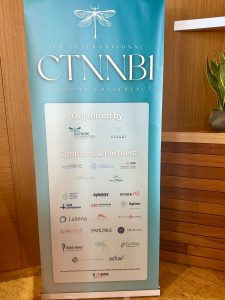
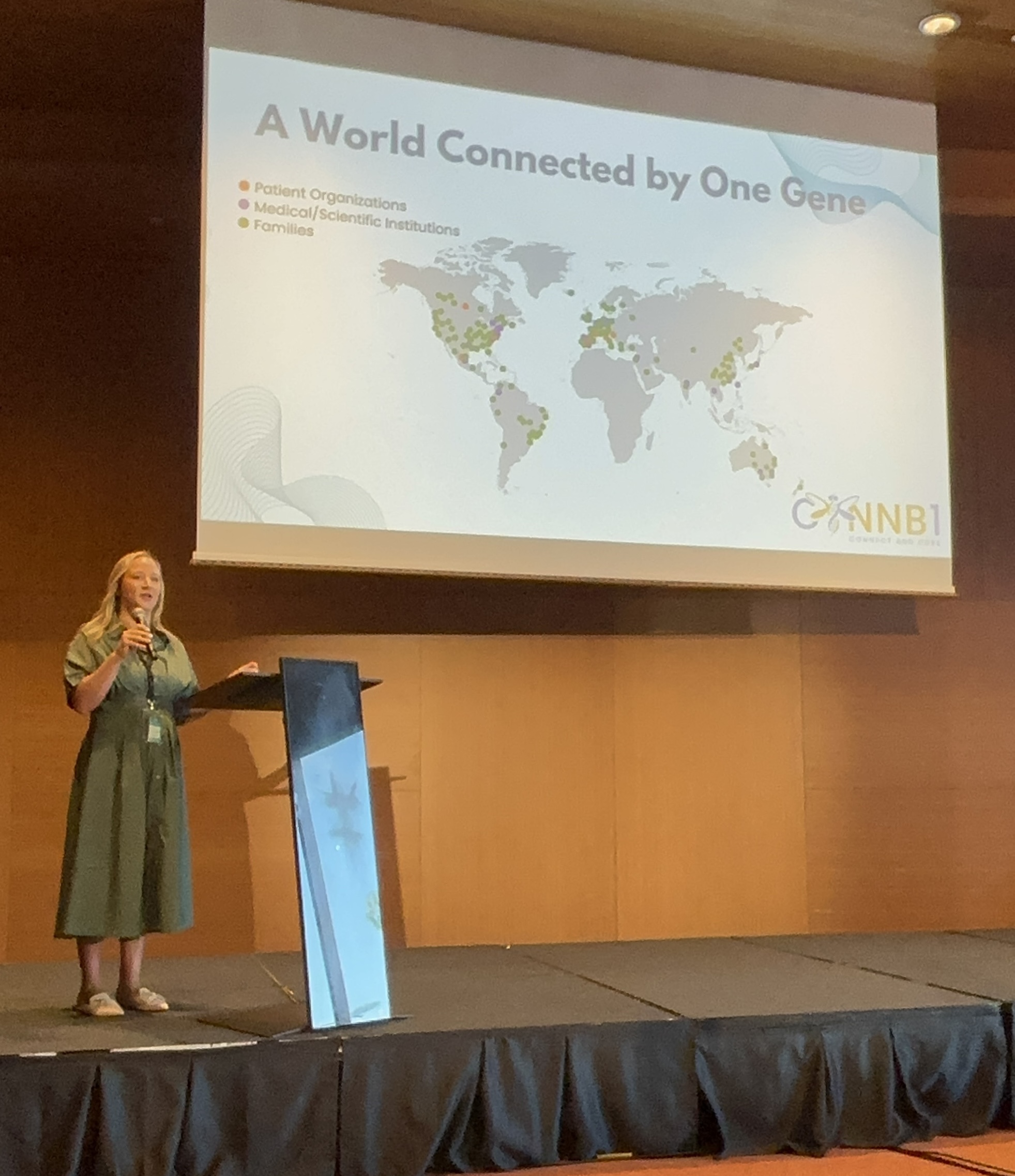
The CTNNB1 Foundation Conference brought together families, researchers, clinicians, and advocates from around the world. While the presentations were incredibly informative, some of the most important moments happened in conversations between sessions and over meals.
I had the opportunity to meet many families and spend time getting to know their children. Some of my favorite moments were visiting the childcare area and playing with the precious dragonflies, each of whom reminded me of my own dragonfly in special, little ways.
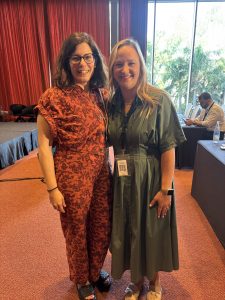
I also made it a priority to spend time with researchers individually, learning about their areas of expertise, the data they are collecting, and how their work fits into the broader research landscape. These conversations provided deeper insight into current projects and turned ideas for collaboration into reality.
I am thrilled to announce that in addition to working with the CTNNB1 Foundation to establish a U.S. site for the GAIN-CTNNB1 clinical trial, we will be collaborating with CTNNB1 organizations around the world, together with our clinical networks, to create official clinical practice guidelines for CTNNB1 syndrome.
Conversations throughout the conference were a constant reminder that progress is built on trust and relationships just as much as it is built on science.
Genoa: Strengthening a Global Community
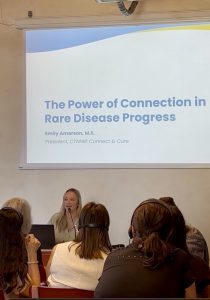
The CTNNB1 Italia Conference offered another opportunity to connect with families, researchers, and clinicians working to improve the lives of individuals with CTNNB1 syndrome.
Connecting with everyone in the beautiful Villa Quartara proved that shared experiences truly transcends language. I loved spending time with all of the precious Italian dragonflies and learning new things from the researchers and clinicians who presented.
One particularly meaningful conversation was with with the mother of one of the oldest known individuals with CTNNB1 syndrome in our community. Learning about his daily life, his strengths, his challenges, and his hopes for friendship, independence, and meaningful relationships offered a meaningful glimpse into the long-term journey many of our children may experience. I also had the opportunity to meet one of Italy’s newest diagnosed families.
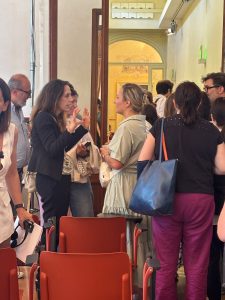
As in Barcelona, I met individually with researchers to better understand their work and how it contributes to the larger research ecosystem.
A particularly exciting discussion centered around future collaboration opportunities with Dr. Tucci, one of the scientific pioneers of the disease. We explored possibilities for greater cooperation between organizations, expanded registry participation, and even the concept of a global society that brings together family leaders, advocacy organizations, and researchers from around the world.
These conversations reinforced the power of bringing together professionals who approach CTNNB1 syndrome from different scientific perspectives.
What I Took Home
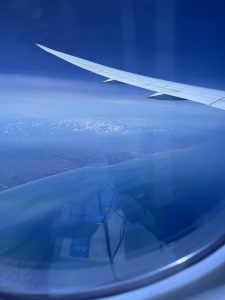
When I boarded my flight to Europe, I expected to learn about research. I expected to share updates about CTNNB1 Connect & Cure. I expected to meet new people.
What I did not fully appreciate was how much these relationships would reinforce the very message I was there to deliver.
The strongest memories from this trip are not specific presentations or data points.
They are conversations. They are shared meals. They are families supporting one another. They are researchers exchanging ideas. They are moments when people from different countries, cultures, and backgrounds came together around a common purpose.
Connection is not a side benefit of rare disease advocacy and research.
Connection is the foundation that makes everything else possible.
I am incredibly grateful to the CTNNB1 Foundation and CTNNB1 Italia for their hospitality and for creating spaces where these connections can flourish.
I am equally grateful to every family, researcher, clinician, and advocate who took the time to share their experiences, ideas, and hopes for the future.
The trip may be over, but the relationships formed and strengthened in Barcelona and Genoa will continue to move our community forward.
Together, we are building something much bigger than any one organization, researcher, or family could accomplish alone.
And that is the true power of connection.
— Emily Amerson
President, CTNNB1 Connect & Cure
P.S. I would like to extend the most sincere thanks to Ashley Hamic, CCO and Secretary of CTNNB1 Connect & Cure, for joining me, keeping us organized, documenting in real-time, doubling the connections made, and ensuring optimal use of every second of the trip. Our organization and community are so very lucky to have you!