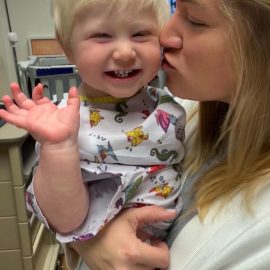

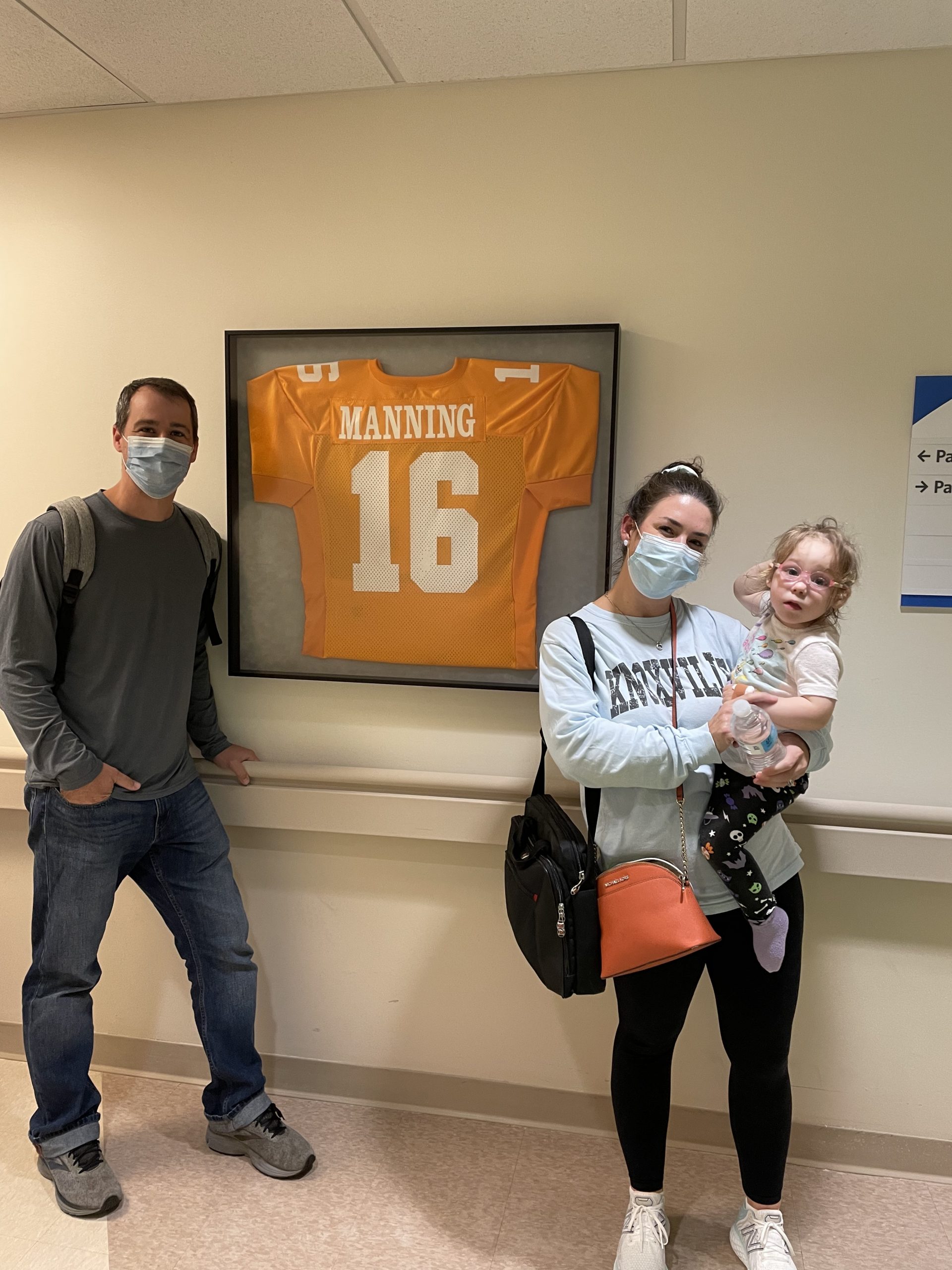
When our daughter, Evelyn, was diagnosed with CTNNB1 Syndrome at 14 months old, we knew there would be many unknowns ahead. Like many rare disease parents, we found ourselves learning from both our medical team and other families walking a similar path.
At the time, tethered spinal cord wasn’t really a documented clinical finding associated with CTNNB1 Syndrome. There wasn’t much information available in the medical literature connecting the two conditions. However, parents in the CTNNB1 community were beginning to notice a pattern and share their children’s experiences.
One of the most valuable resources for us was the CTNNB1 parent Facebook group. As more families discussed tethered cords and shared their children’s diagnoses, I became concerned that it might be something we should investigate for Evelyn as well. Even though it wasn’t yet considered a recognized feature of CTNNB1 Syndrome, I trusted my instincts and we talked to a neurosurgeon about the possibility of a tethered spinal cord, and an MRI of her spine was ordered.
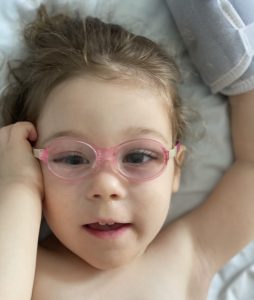
Importantly, Evelyn did not have any visible markers on the outside that would have suggested a tethered spinal cord. She did not have a sacral dimple or any other obvious external signs. There was nothing that made us look at her and think that she might have a spinal cord abnormality.
The MRI revealed a fatty filum, which can be associated with a tethered spinal cord. After consulting with our neurosurgical team, we decided to move forward with tethered cord release surgery when she was 2 years old.
Making the Decision
 One thing a neurosurgeon told us was that tethered cords can cause permanent nerve damage if left untreated. We learned that if a child is going to need tethered cord release surgery, earlier intervention may help prevent long-term complications and irreversible nerve damage.
Although surgery is always scary, especially when it’s your child, we felt confident that addressing the tethered cord sooner rather than later was the right decision for Evelyn.
Surgery and Recovery
One thing that surprised us was how manageable the recovery was. Our daughter only had to lie flat for 24 hours after surgery. The following morning, she stood right up.
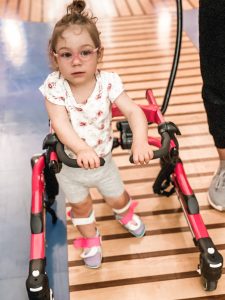
Of course, every child is different, but for us, the recovery was far less difficult than we had anticipated.
The most significant challenge was that she essentially had to learn how to walk again. Before surgery, she had been relying on the stiffness in her muscles and the pulling from her tethered cord to help with balance. Once that tension was released, her body had to learn new movement patterns.
With therapy, she adapted beautifully. Not only did she regain her skills, but she eventually surpassed where she had been before surgery.
Looking Back
 Choosing surgery for your child is never easy. There are always fears, questions, and what-ifs.
For our family, tethered cord release was absolutely the right decision. We are grateful we trusted our instincts, advocated for her to be checked, and addressed the issue early. Seeing the improvements in our daughter’s comfort, mobility, and overall quality of life has only confirmed that decision.
We are also incredibly grateful to the families who have walked this CTNNB1 journey before us. So much of what we’ve learned has come from parents who generously shared their experiences, insights, and stories.
At a time when tethered cord wasn’t really recognized as a clinical finding in CTNNB1 Syndrome, those conversations helped us ask important questions and advocate for our daughter.
We learn from this community every day. Thank you to every family who has taken the time to share their journey.
Your willingness to be open about both the challenges and successes has helped more families than you may ever realize, including ours.
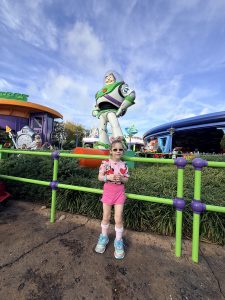 We have no regrets.
If you’re a CTNNB1 parent considering whether to pursue spinal imaging or tethered cord evaluation, our experience is simply one family’s story. Every child is different, and medical decisions should always be made with your healthcare team. But if sharing our journey helps another family ask questions, seek answers, or feel less alone, then it’s worth telling.
Sometimes parents help identify patterns before the medical literature catches up. In our case, listening to other CTNNB1 families, learning from those who came before us, and trusting our instincts made all the difference.